
EEG Cap Restock Update — New Models Incoming!

We’re happy to announce that we have redesigned our EEG caps to offer better fit, comfort, and performance! The new and improved caps are on the way! The current version of the BrainAccess EEG caps is now sold out. We’re preparing to restock soon with the new design — stay tuned! Note that it is […]
EEG Foundation Models: Unlocking the Next Generation of Neurotechnology
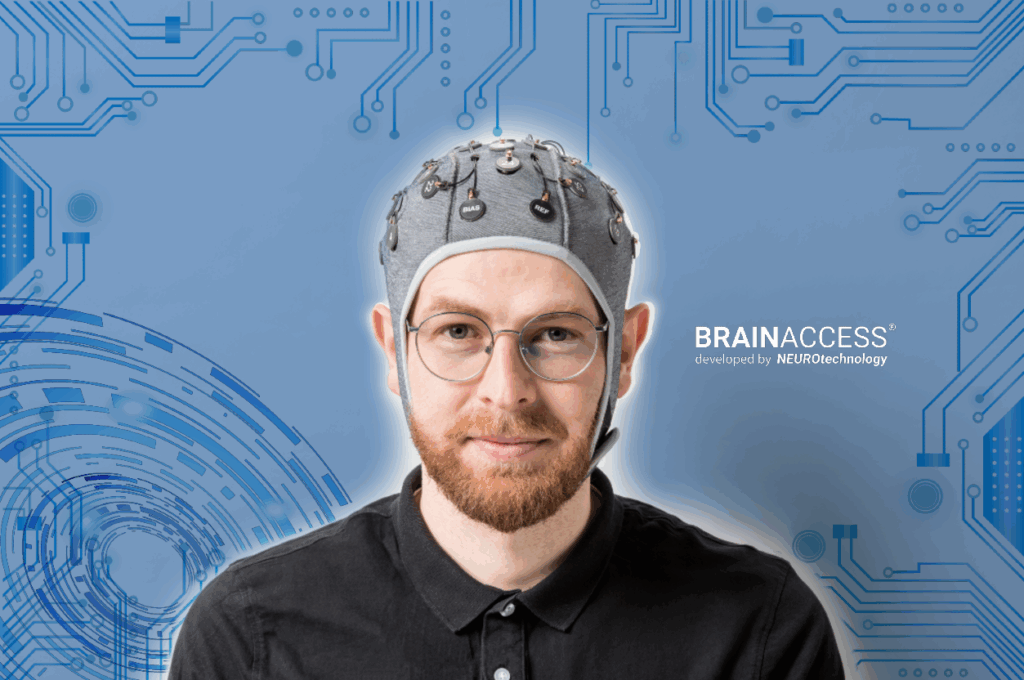
In the past decade, Artificial Intelligence (AI) has gone through a radical evolution. At the heart of this revolution are foundation models, large, general-purpose models that learn from massive datasets and can be adapted to many tasks with minimal extra training. The most famous example are Large Language Models (LLMs), like GPT-4, which have transformed […]
BrainAccess at IOP 2025 in Krakow

From July 8-11, the BrainAccess team attended the 22nd World Congress of Psychophysiology (IOP 2025) in Krakow, Poland. It was an exciting opportunity to connect with researchers, innovators, and professionals from around the world. At our booth, we showcased the full range of BrainAccess EEG products and presented a live demo of our new EEG-AI […]
Open-Source EEG Analysis Tools: Making Brain Research More Accessible
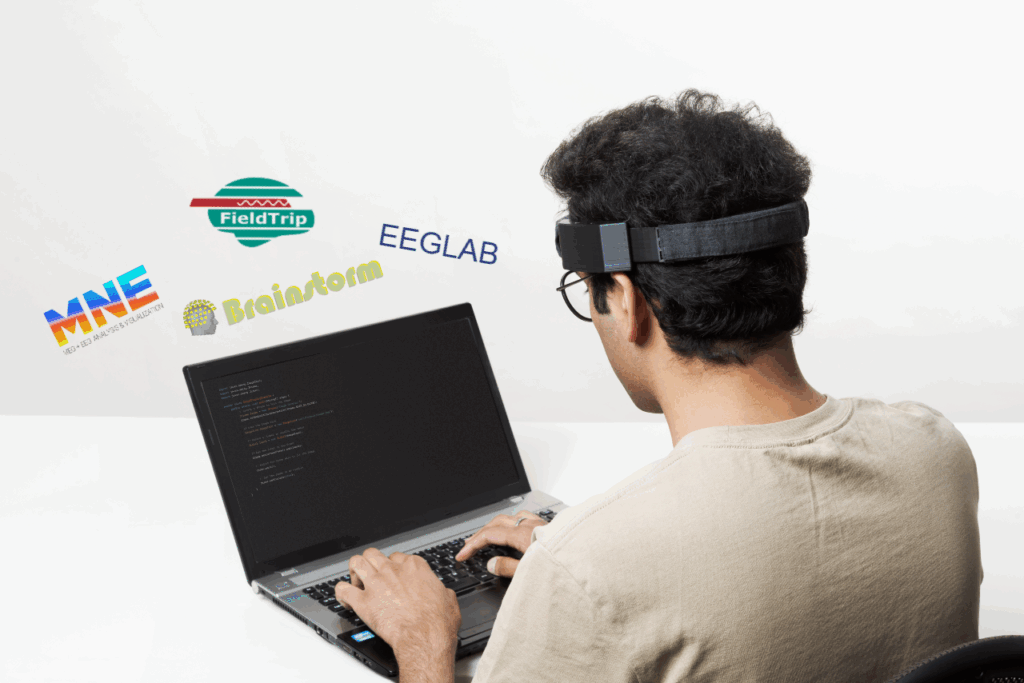
Open science has transformed neurotechnology research, giving even small teams access to powerful robust tools developed by the community. Early-career researchers and neuroscience enthusiasts entering EEG/MEG data analysis can benefit immensely from open-source software. These tools not only save costs but also foster collaboration and rapid innovation. As a neuroscientist with nearly a decade of […]
Rethinking Education with EEG: Hyperscanning, AI, and the Future of Learning
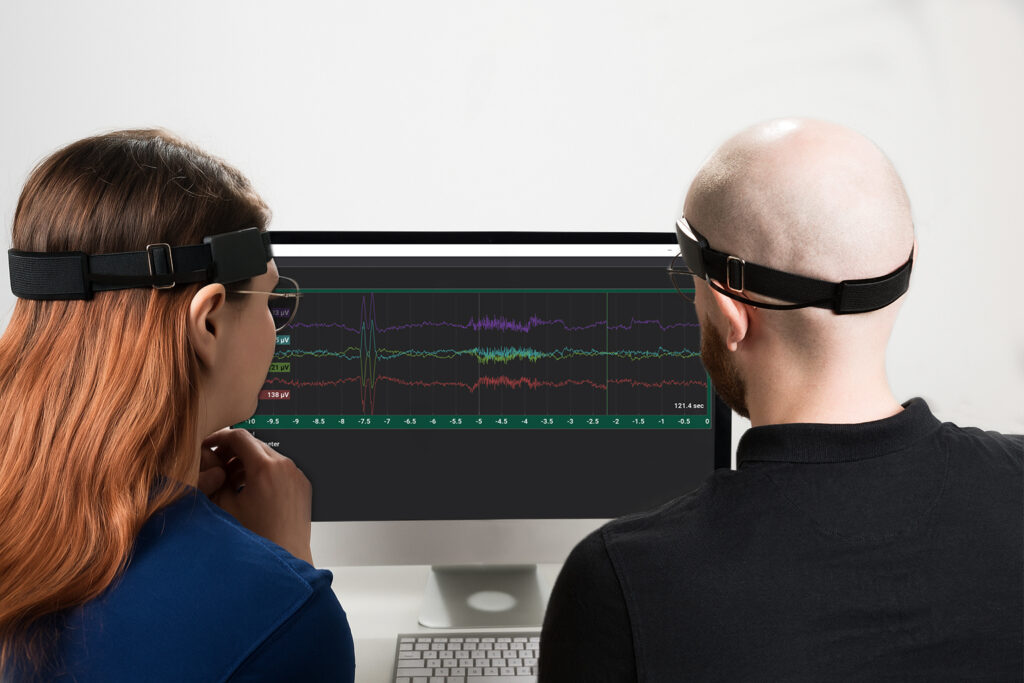
In an era where personalized education and real-time feedback are becoming essential, the role of brain-computer interface (BCI) technologies, particularly electroencephalography (EEG), is more relevant than ever. Once confined to laboratories, EEG has now the potential to step into classrooms, lecture halls, and even virtual learning environments, thanks to advances in portability, affordability, and AI […]
Neurofeedback in the Real World: From Training your Brain to improve Mental Health
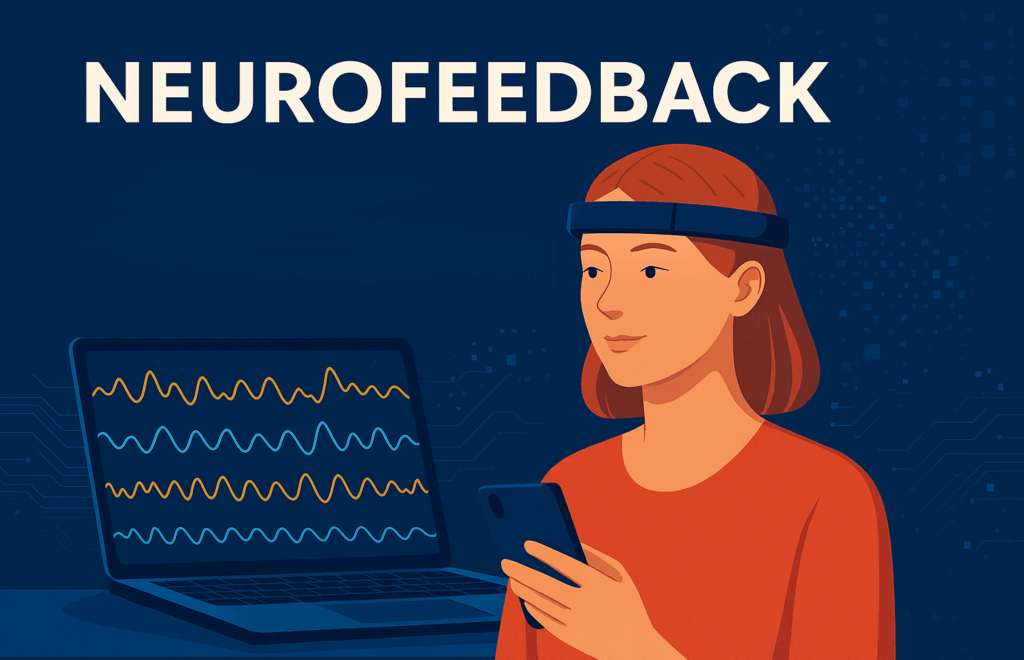
Neurofeedback is a method that trains individuals to consciously regulate their brain activity through real-time feedback from EEG signals. Traditionally used in clinical research and therapeutic settings, it is now gaining broader interest for a variety of applications. From treating mental health conditions to enhancing cognitive performance, improving focus, and supporting mindfulness practices, neurofeedback is […]
Neuroadaptive Technology and Brain-Computer Interfaces: Toward a Future of Conversing with Our Minds

The convergence of neuroadaptive technology, brain-computer interfaces (BCIs), and artificial intelligence is reshaping the boundaries between mind and machine. Traditionally, BCIs have enabled basic communication and control by translating brain activity, often measured through EEG (electroencephalography), into digital signals. However, the integration of advanced AI, particularly large language models (LLMs), is paving the way for […]
Understanding EEG Power: Beyond the Brainwaves
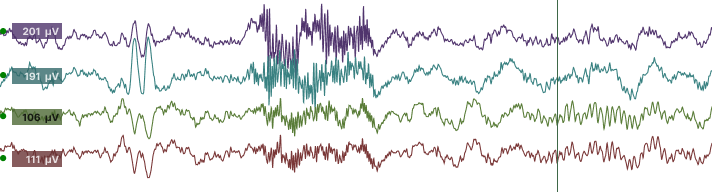
When discussing brain activity, the term brainwaves frequently appears—but what exactly does this mean, why is it important, and how does it relate to EEG power? What Are Brainwaves? Brainwaves are rhythmic electrical activities produced by neurons in your brain. They’re typically categorized by their frequency (measured in Hertz, Hz): These frequencies help us decode […]
A Comparative Analysis of EEG Cap Technologies
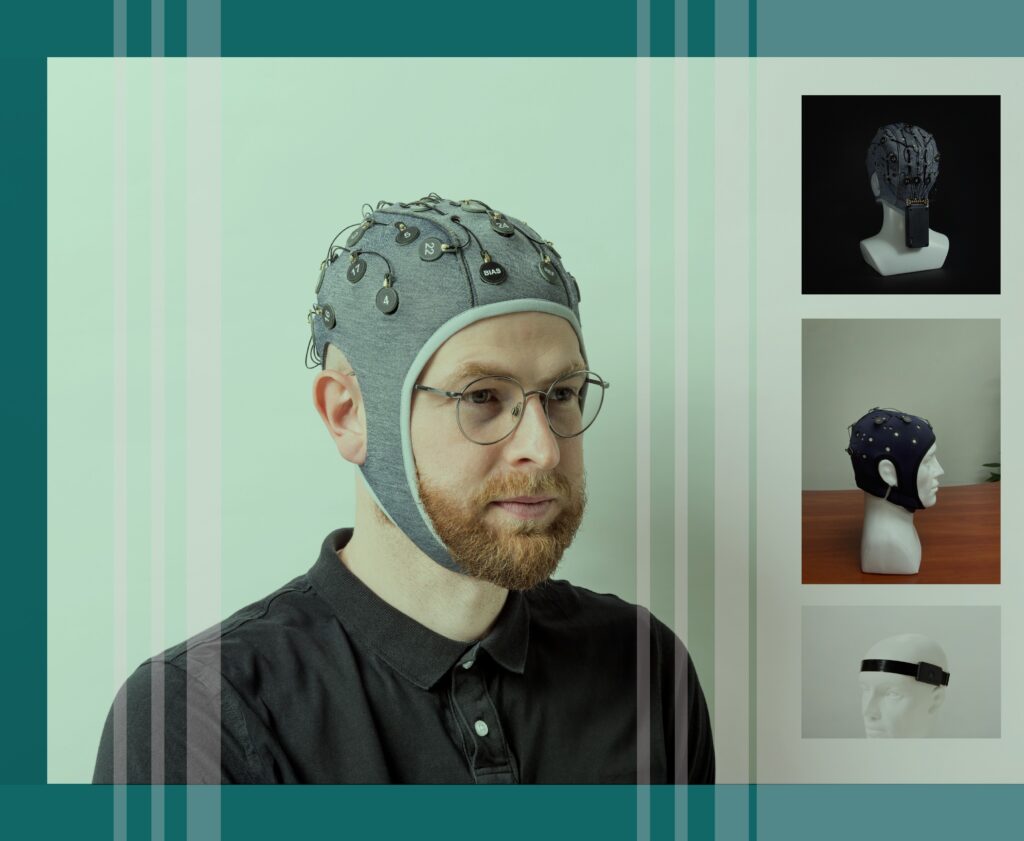
Electroencephalography (EEG), a non-invasive neurophysiological technique, employs the measurement of cortical electrical activity via scalp electrodes. The efficiency of EEG recording is linked to the cap technology employed, which dictates electrode placement, signal quality and user comfort and experience. In this article, we will provide a comparative analysis of EEG cap technologies, ranging from simplified headbands to high-density multi-channel caps, highlighting their applications and characteristics.
A Comparison of Electrodes: Dry, Wet and Soft

Electrodes are used in many technologies, fundamentally acting as transducers that convert the body’s ionic currents into electronically processable signals and vice versa. In medical diagnostics, they are inseparable from procedures like electrocardiograms (ECGs), electroencephalograms (EEGs), and electromyograms (EMGs), enabling the detection and analysis of electrical activity in the heart, brain and muscles, respectively.